Beyond Blue

Life hacks, snacks & facts that help you improve mental health through fitness, mindfulness, and nutrition. Move better. Feel better. Live Beyond Blue.

  • When you hear “creatine,” you might think of bodybuilders or gym bros chasing muscle gains. But here’s a surprising truth: creatine isn’t just for your biceps—it’s also a powerful nutrient for your brain.

    If you’re on a journey to feel better mentally, reduce brain fog, or just stay sharp while boosting your overall energy, creatine could be your new wellness ally.

    What Is Creatine?

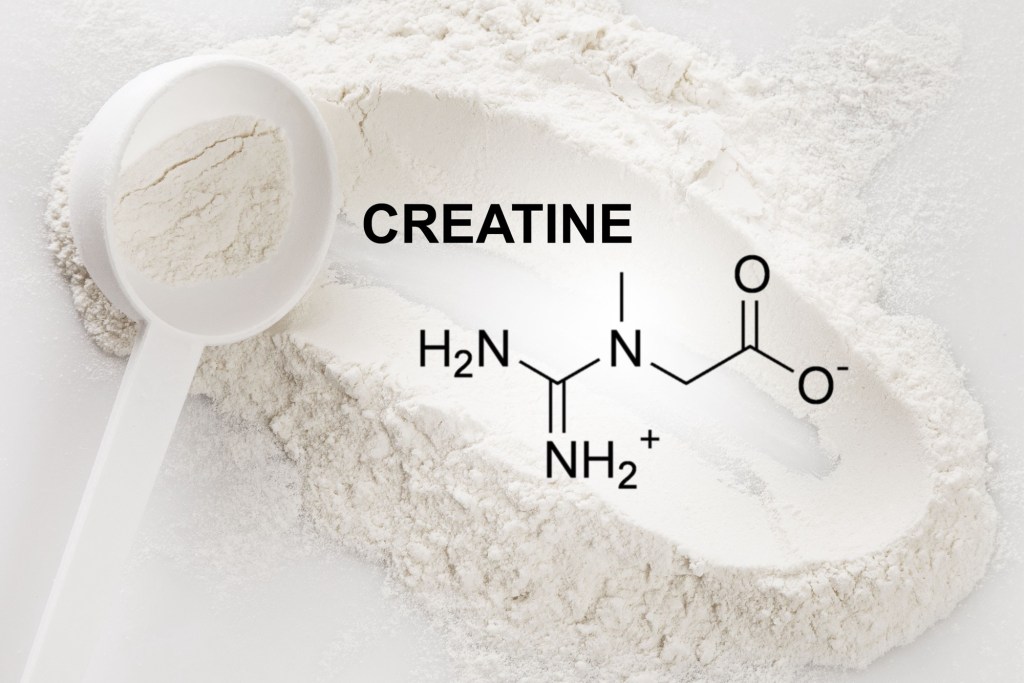
    Creatine is a natural compound made in your body (mostly in your liver and kidneys) and stored in your muscles and brain. It’s found in protein-rich foods like red meat, fish, and eggs—but not always in large enough amounts to fuel your brain optimally, especially if you’re vegan or vegetarian.

    Most people know it as a sports supplement. What’s lesser known? Its cognitive benefits—especially when you’re stressed, sleep-deprived, or mentally drained.

    4 Brain Benefits of Creatine

    1. Improves Mental Energy

    Your brain uses a lot of energy—especially when you’re learning, solving problems, or navigating stress. Creatine helps fuel ATP, the body’s energy molecule, giving your brain more “juice” to function better throughout the day.
    2. Supports Mood and Mental Resilience

    Emerging research suggests creatine may have a positive effect on mood, especially in people with depression or chronic fatigue. It’s being explored as a natural supplement to support traditional treatments.

    A 2022 study found that creatine supplementation improved mood scores in women with depression after just 8 weeks.

    3. Sharpens Memory and Focus

    In situations where your brain is under stress—like sleep deprivation, test-taking, or burnout—creatine has been shown to help with short-term memory, focus, and reaction time.

    4. Helps Vegans and Vegetarians

    If you don’t eat meat or fish, your body may have lower creatine stores, which can affect brain performance. Supplementing can help restore those levels and improve clarity and cognitive function.

    Is It Safe?

    Yes—for most people. Creatine monohydrate is one of the most researched and safest supplements available. It’s naturally occurring, affordable, and well-tolerated when taken at standard doses (3–5g daily).

    As always, talk to your doctor if you have any medical conditions or are taking medication.

    How to Use It

    Type: Look for Creatine Monohydrate—pure, simple, effective. Dose: Start with 3–5g daily, mixed with water or added to a smoothie. Timing: Any time of day is fine. Consistency matters more than timing. Tip: Combine with a carb (like fruit) for better absorption.

    https://amzn.to/42Y0hJl – clean, affordable, and third-party tested.

    Bottom Line

    Creatine isn’t just for gym rats—it’s a natural, brain-boosting tool that can help you think clearer, feel better, and move through your day with more energy.

    If you’re working to build a healthier body and mind, creatine could be a simple addition to your daily routine.

    Ready to feel the mental lift? Let us know if you’ve tried creatine and how it’s worked for you—and stay tuned for more wellness tips from Beyond Blue.


  • 5 Simple Home Workouts to Relieve Stress and Boost Your Mood

    Even on your busiest days, just 10–15 minutes of movement can clear your mind, spark endorphins, and help you rise above the blues. These five beginner-friendly routines require little to no equipment—perfect for squeezing in between meetings, during a lunch break, or first thing in the morning.

    1. Wall-Assisted Squats

    Why it helps: Squats engage your largest muscle groups, driving blood flow and releasing feel-good hormones. The wall gives you support so you can focus on form.

    How to do it:

    Stand with your back against a wall, feet hip-width apart and a few inches away. Slide down until your thighs are parallel to the floor (or as low as comfortable). Hold for 20–30 seconds, breathing deeply. Slide back up. https://amzn.to/4cKkLKd – adds grip and cushion for wall squats.

    2. Seated Leg Lifts

    Why it helps: Leg lifts strengthen your core and hip flexors without straining your back—and can be done right from a sturdy chair.

    How to do it:

    Sit tall with feet flat. Straighten your right leg and lift it until it’s parallel to the floor. Hold for 3–5 seconds, then lower. Repeat 10 times per leg. https://amzn.to/42EGqPe – activate core muscles even while seated.

    3. Standing Side Stretches

    Why it helps: Lateral stretches open up your chest and waist, easing tension from hours at a desk and improving breathing.

    How to do it:

    Stand with feet hip-width apart. Raise your right arm overhead and gently lean left, feeling a stretch along your right side. Hold for 15–20 seconds. Switch sides. Repeat twice per side. https://amzn.to/4iwYAZe pair with stretches for deeper muscle release.

    4. Desk-Push-Ups

    Why it helps: A quick push-up against a desk or countertop builds upper-body strength and gets your heart pumping.

    How to do it:

    Place your hands on the desk, shoulder-width apart. Step back until your body is in a straight line. Bend elbows and lower chest toward the desk. Push back up. Aim for 8–12 reps. https://amzn.to/4jOW5CE – install near your desk for varied upper-body moves.

    5. Mindful Walking Break

    Why it helps: Sometimes movement is less about intensity and more about presence. A short, intentional walk helps reset your nervous system and clear mental clutter.

    How to do it:

    Step outside (or pace indoors) for 5–10 minutes. Focus on each footfall, the rhythm of your breath, and the sights or sounds around you. If thoughts drift, gently bring attention back to your steps. https://amzn.to/4jPf5Rj – track your steps and breathing sessions.

    Putting It All Together

    Routine suggestion: Pick 2–3 exercises and rotate daily to keep things fresh. Timing: Aim for a mini-session in the morning, midday, or evening—whenever stress peaks. Pair with mindfulness: Finish with 1–2 minutes of deep breathing or a quick guided meditation.

  • Rise Above. Move Forward. Live Beyond Blue.

    Welcome to Beyond Blue — a wellness lifestyle space built for real people looking to feel better in their bodies, clear their minds, and live with intention.

    We believe that fitness isn’t just about six-packs and PRs. It’s about moving your body to shift your mood, nourishing yourself to support your mind, and building daily habits that pull you out of the fog — one step at a time.

    Whether you’re just starting your wellness journey or getting back on track, you’re in the right place. No shame. No pressure. Just simple, beginner-friendly tools to help you feel stronger, calmer, and more in control of your life.

  • 5 Simple Habits to Boost Mental Health Through Movement, Mindfulness, and Nutrition

    Feeling stuck, stressed, or just a little off lately? You’re not alone — and the good news is, small daily habits can have a huge impact on how you feel, think, and move through life.

    At Beyond Blue, we believe mental health starts with what you do every day — not just what you think. So here are five simple, beginner-friendly habits that can help lift your mood, reduce anxiety, and bring more clarity to your day.

    1. Move for 10 Minutes Every Morning

    You don’t need a gym or a perfect routine to get moving. A short, low-impact workout — like stretching, yoga, or a brisk walk — can increase endorphins, improve focus, and lower cortisol levels.

    Try this:

    10 bodyweight squats 30 seconds of marching in place 1-minute gentle stretch Deep breath in. Let it go.

    2. Start a Mindfulness Moment (2 Minutes is Enough)

    Even a short pause to breathe can help reset your nervous system. Set a timer and try this:

    Sit still. Inhale slowly for 4 counts. Hold for 4. Exhale for 6. Repeat for 2 minutes.

    Pro tip: Use a meditation app like Headspace or Insight Timer to guide you. (Both offer affiliate programs if you’d like to link later.)

    3. Hydrate With Purpose

    Dehydration can increase brain fog and fatigue. Start your day with a full glass of water — bonus points for adding lemon or a pinch of sea salt for minerals.

    Favorite wellness water bottle:

    4. Eat a Mood-Boosting Breakfast

    Skip the sugar crash and opt for something with protein, healthy fats, and complex carbs. Your brain (and mood) will thank you.

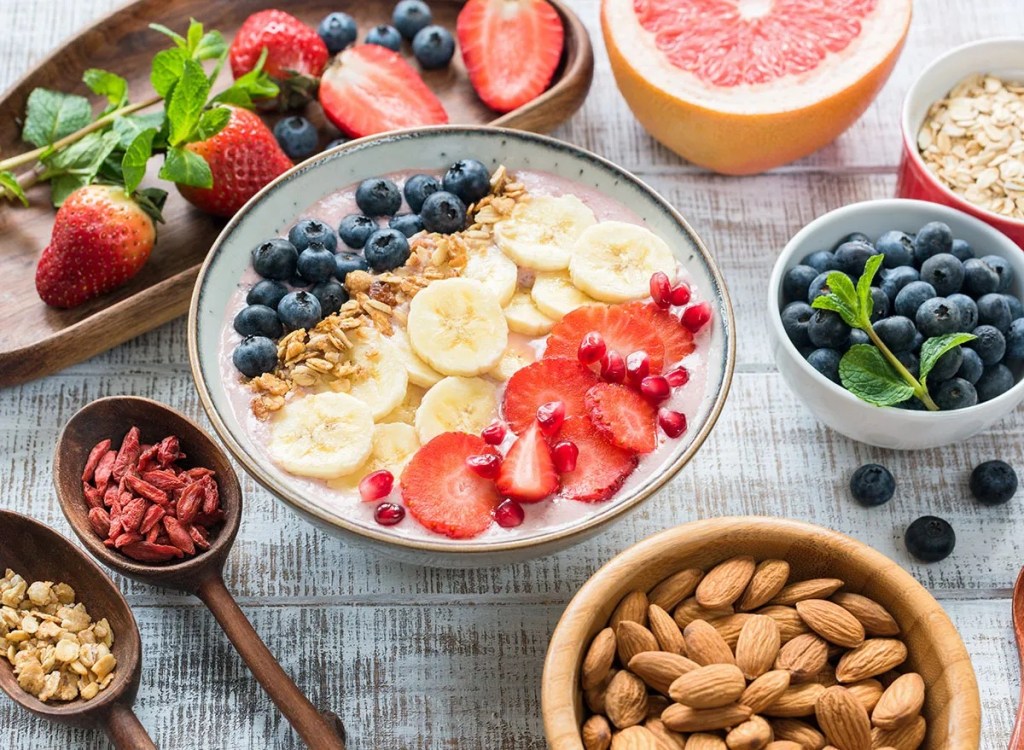
    Greek yogurt + berries + almonds Scrambled eggs + avocado toast Oats with banana, chia, and peanut butter

    5. Get Outside (Even Briefly)

    Sunlight boosts serotonin and helps regulate sleep. Take your coffee outdoors, stretch on the porch, or walk to the mailbox. Just get outside.

    Bonus tip: Pair it with habit #1 for a double mental health win.

    Final Thoughts

    Wellness doesn’t need to be overwhelming. It starts with showing up for yourself — just a little — every day.

    If you’re ready to go Beyond Blue, start with these small steps. They may seem simple, but they’re powerful. And the more consistent you are, the more you’ll feel the shift — physically, mentally, and emotionally.

  • What to Eat When You’re Feeling Low: 7 Mood‑Boosting Foods

    Ever had one of those days when everything feels a little heavier? Your mind’s clouded, your energy’s flat, and motivation is nowhere in sight. The good news: what you eat can have a powerful impact on your mood. These seven nutrient-packed foods help support brain chemistry, balance blood sugar, and kickstart those feel‑good neurotransmitters.

    1. Dark Chocolate

    Why it helps: Rich in flavonoids and antioxidants, dark chocolate boosts blood flow to the brain and increases endorphin production. A small square can lift your spirits almost instantly.

    How to enjoy it: Look for 70% (or higher) cocoa content. Break off a piece after lunch or keep a bar at your desk.

    2. Berries

    Why they help: Blueberries, strawberries, and raspberries are antioxidant powerhouses. Their polyphenols reduce inflammation in the brain, helping tame stress hormones and sharpen focus.

    How to enjoy them:

    Blend frozen berries into a smoothie with banana and Greek yogurt. Layer fresh berries over oatmeal or chia pudding.

    3. Nuts & Seeds

    Why they help: Almonds, walnuts, chia seeds, and flaxseeds deliver healthy fats, magnesium, and tryptophan (a precursor to serotonin). Magnesium calms the nervous system, while tryptophan supports mood balance.

    How to enjoy them:

    Sprinkle chia or flaxseeds on your yogurt or salad. Snack on a small handful of raw almonds or walnuts mid‑afternoon.

    4. Leafy Greens

    Why they help: Spinach, kale, and Swiss chard provide folate—a B‑vitamin crucial for dopamine and serotonin production. Low folate levels are linked to depression and fatigue.

    How to enjoy them:

    Toss baby spinach into your morning omelet. Blend kale into a green smoothie (add banana to mellow the flavor).

    5. Fatty Fish

    Why it helps: Salmon, mackerel, and sardines are loaded with omega‑3 fatty acids, which reduce inflammation and support healthy neurotransmitter function. Studies link higher omega‑3 intake to lower rates of depression.

    How to enjoy it:

    Pan‑sear wild‑caught salmon with lemon and herbs. Add canned sardines to salads or avocado toast.

    6. Oats

    Why they help: Complex carbohydrates like oats release glucose slowly, keeping blood sugar stable and preventing energy crashes that can drag down your mood. Oats are also rich in B‑vitamins, which fuel brain function.

    How to enjoy them:

    Cook steel‑cut oats with milk or dairy‑free milk, top with berries and a drizzle of honey. Make overnight oats with chia seeds and almond butter.

    7. Fermented Foods

    Why they help: A healthy gut is linked to a healthy mind—up to 90% of serotonin is produced in the gut. Yogurt, kefir, sauerkraut, and kimchi deliver probiotics that support the gut‑brain axis.

    How to enjoy them:

    Stir plain Greek yogurt into your morning smoothie bowl. Add a spoonful of sauerkraut or kimchi to your lunch bowl for a tangy kick.

    Quick Tips for Mood‑Boosting Eating

    Balance your plate: Aim to include protein + healthy fat + whole grain (or produce) at each meal. Stay hydrated: Dehydration can mimic low mood—sip water or herbal tea throughout the day. Plan ahead: Keep snacks like nuts, dark chocolate, or Greek yogurt on hand to avoid reaching for sugar or caffeine.

    Your Next Steps

    Pick 2–3 foods from this list to integrate into your meals over the next week. Notice how you feel: Track your energy and mood in a journal. Share your experience in the comments below—what worked best for you?